Wheel rims are durable structural components, but their finished surfaces can be easily damaged during handling in a body shop environment. Many modern rims feature painted finishes, polished surfaces, or machined faces that must remain free from scratches and impact marks.
Once removed from the vehicle during collision repair, wheel rims become loose components that need to be stored, transported, or processed separately from the car. Proper handling and mounting are important to protect the finished surfaces and keep the rims stable while technicians carry out cleaning, repair, or refinishing work.
Handling Challenges
Although wheel rims are structurally strong, their circular shape creates handling challenges in busy workshop environments. When placed flat on benches or floors they occupy space and can easily roll or shift if accidentally bumped.
The finished outer face of the rim is also vulnerable to scratches during handling. Many modern rims have delicate painted coatings or machined aluminum surfaces that can be damaged if placed directly on hard surfaces.
Because rims are relatively heavy, especially larger alloy wheels, lifting and repositioning them repeatedly can also slow workflow if no dedicated mounting or storage system is used.
Common Mounting Mistakes
One common mistake is placing rims face-down directly on the workshop floor or on workbenches without protective padding. This can scratch painted surfaces or damage machined faces.
Another frequent issue is stacking rims together without separators. Even light contact between rims can create scratches or edge damage.
Technicians sometimes also lean rims against walls or vehicles while working on other parts of the repair. Because of their circular shape, rims can easily tip or slide in these situations, increasing the risk of accidental damage.
Correct Mounting Approach
The most effective way to support a wheel rim during handling is mounting it through the center hub opening. This keeps the finished outer face elevated and prevents contact with hard surfaces.
Dedicated wheel stands or racks hold the rim securely while keeping the outer face protected. Supporting the rim through the center hub also keeps the wheel balanced and stable, making it easier for technicians to inspect, clean, or refinish the surface.
Mounting the rim vertically rather than laying it flat also reduces the chance of accidental scratches during handling.
Body Shop Workflow Considerations
Wheel rims are often removed early during collision repairs, particularly when suspension, brake, or body damage occurs around the wheel area. Once removed, they may pass through several stages including cleaning, inspection, repair, or refinishing.
Keeping rims mounted on dedicated racks or stands helps maintain organisation within the workshop and prevents parts from being misplaced or damaged during the repair process.
When rims are properly mounted and stored, they can remain protected while technicians continue working on other parts of the vehicle.
Equipment Used
Because hood panels are wide and relatively thin, equipment that spreads the weight of the panel across multiple support points is essential. Adjustable panel stands allow technicians to position the hood securely while maintaining full access to the working surface. This stability reduces flex during repairs and allows the hood to remain mounted securely as it progresses through preparation and inspection stages.
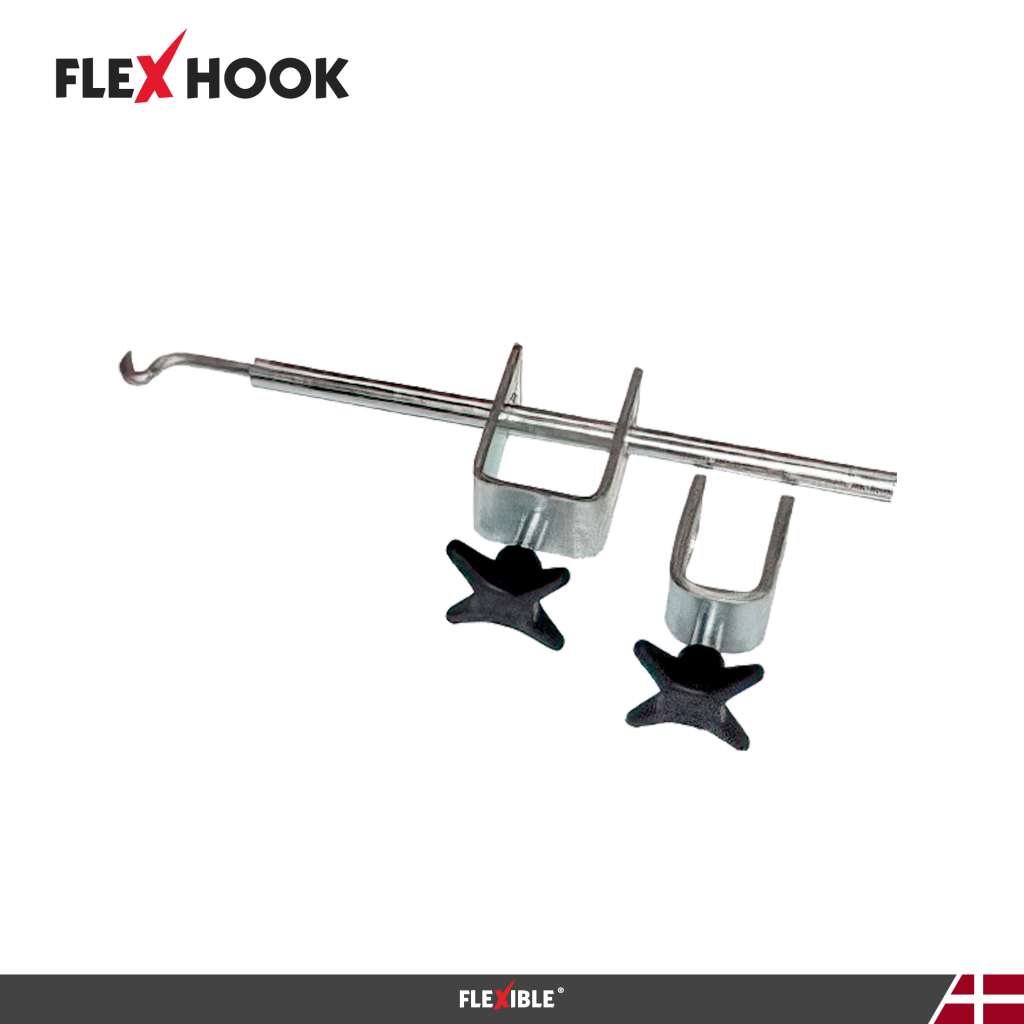
Body shops commonly use dedicated wheel stands, vertical rim racks, or mobile wheel carts to support wheel rims once they are removed from the vehicle. These types of equipment allow rims to be mounted through the center hub opening while keeping the finished outer surface protected. Mobile carts are particularly useful because they allow multiple rims to be moved safely around the workshop without placing them on the floor or stacking them together. Protective padding, foam separators, or rubber supports are often used alongside these systems to prevent surface damage during handling and storage.
Related Equipment
Equipment commonly used for handling automotive panels includes:
We use cookies to ensure that we give you the best experience on our website. If you continue to use this site we will assume that you are happy with it.