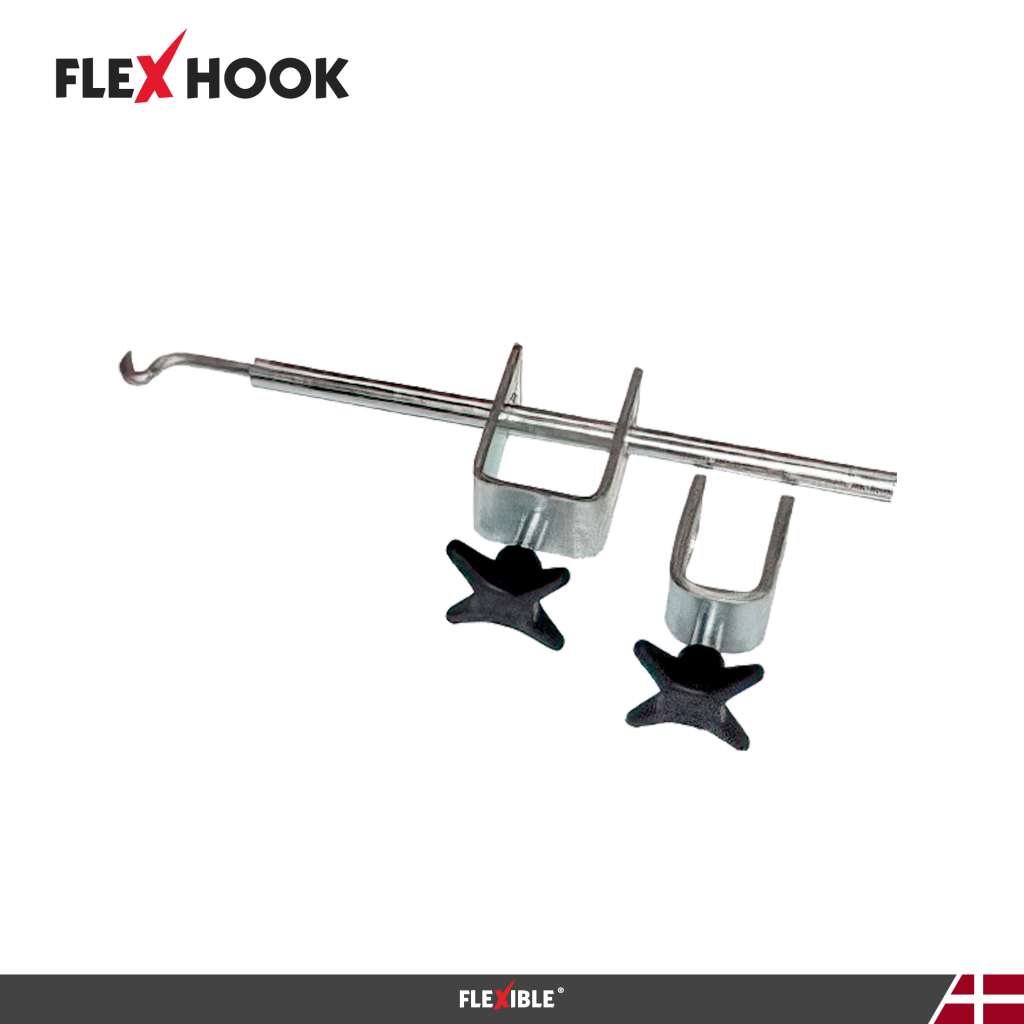
Modern automotive bumpers are large, flexible components that often incorporate multiple materials and attachments. A typical bumper assembly may include the painted bumper cover, internal reinforcement, energy absorbers, sensors, brackets, and trim pieces. Once removed from the vehicle during collision repair, the bumper cover itself becomes a relatively lightweight but awkward panel to handle.
Unlike rigid metal panels, most bumper covers are molded plastic and can flex easily if not properly supported. Their size, curved shape, and mounting tabs make them vulnerable to distortion or damage during handling. Proper mounting and support are essential to prevent stress on the plastic, protect mounting tabs, and allow technicians to perform repairs or refinishing work without introducing new issues.
Handling Challenges
Bumper covers are awkward to handle in a body shop environment because they are large but relatively flexible. Once removed from the vehicle, the bumper no longer has the structural support of the car behind it, which means the plastic cover can flex or twist easily if it is not supported correctly.
In many shops, technicians initially place the bumper on a workbench or lean it against a wall while working on other parts of the job. Because of the bumper’s curved shape and uneven surfaces, it rarely sits flat or stable. Even light pressure during repair or preparation can cause the bumper to flex or move.
Modern bumpers also contain multiple features such as sensor mounts, grille openings, trim inserts and air ducts. These features create uneven contact points that make the bumper difficult to support on flat surfaces without placing pressure on delicate areas.
Common Mounting Mistakes
A common mistake is placing the bumper cover directly on its painted face on a workbench or on the floor. This can scratch the surface or place pressure on grille openings, trim areas or sensor housings.
Another frequent issue is hanging the bumper from one or two mounting tabs. These tabs are designed to align the bumper on the vehicle but are not intended to support the full weight of the panel when it is removed. Supporting the bumper this way can distort the plastic or damage the tabs.
Improvised setups are also common in busy shops. Bumpers may be leaned against walls, balanced across two stands, or placed on benches while technicians move between tasks. In these situations the bumper can twist slightly or shift during handling, increasing the risk of damage.
Correct Mounting Approach
The correct mounting method supports the bumper across multiple points while maintaining its natural shape. Ideally, the bumper cover should be mounted on a dedicated bumper stand or adjustable panel stand using existing mounting holes or structural edges.
Support points should hold the bumper in a neutral position without bending or twisting the plastic. If clamps are used, they should grip reinforced areas or mounting flanges rather than thin plastic edges, and padding should be used at contact points.
Body Shop Workflow Considerations
Bumper covers are usually removed early during disassembly and may move through several stages of repair, including inspection, plastic repair, preparation, and refinishing.
Keeping the bumper mounted on a stable stand throughout these stages prevents unnecessary handling damage. Mobile stands allow technicians to move the bumper between workstations without removing it from its support system.
Equipment Used
Because bumper covers are large and flexible, body shops typically use dedicated stands that support the bumper across multiple points while keeping it stable during repair and preparation work.
Dedicated bumper stands allow technicians to mount the bumper using several adjustable support arms so the plastic cover remains in its natural shape. This prevents the panel from flexing or twisting while work is carried out.
Mobile stands with locking wheels are particularly useful because the bumper can remain mounted while being moved between repair areas, preparation bays and the paint booth. Keeping the bumper on the same stand throughout these stages reduces handling and lowers the risk of damage.
Related Equipment
Equipment commonly used for handling automotive bumpers includes:
We use cookies to ensure that we give you the best experience on our website. If you continue to use this site we will assume that you are happy with it.